Angle Iron vs Flat Bar: Which One for Which Job?
Equal and unequal angle iron, flat bar sizes, and which one is actually used for what on site.
Arslan Demir İnşaat
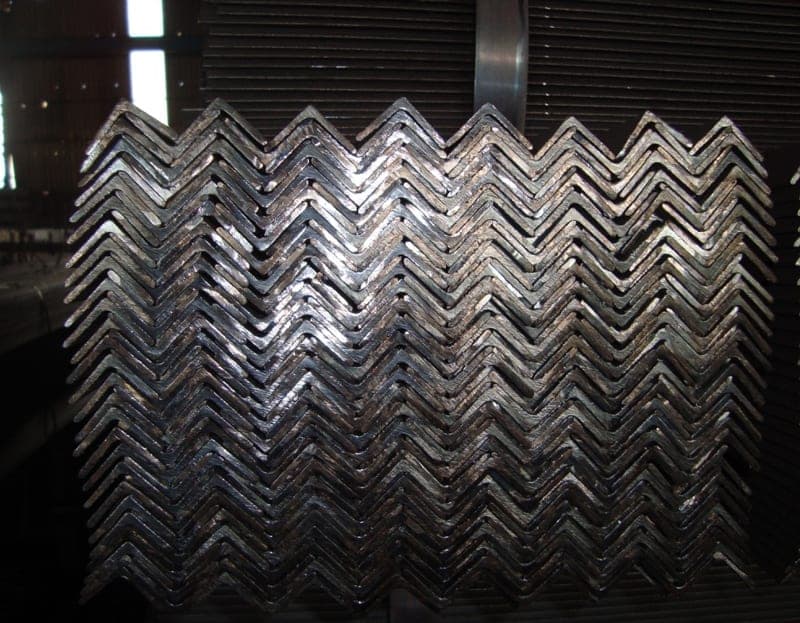
Angle iron and flat bar are the two most commonly used items in the hot-rolled range, but they serve quite different purposes — mixing them up leads to ordering the wrong material for the job.
What angle iron is used for
Angle iron is an L-section profile, made either equal-leg (40x40, 50x50, 60x60 mm, for example) or unequal-leg (50x30, 75x50 mm). It's most often used for frames, railing skeletons, shelf supports and corner joints in lightweight structural systems — anywhere two surfaces meet at a right angle, angle iron is the natural choice.
What flat bar is used for
Flat bar is a straight rectangular-section bar, ranging from 20 mm to 200 mm in width and 3 mm to 30 mm in thickness. It's used for railing infill, door and window frames, connection plates, and as a filler piece in welded fabrication.
Unlike angle iron, it only resists bending in one direction, which is why it's chosen for straight structural members and frame reinforcement.
Grade and surface finish
Both are produced hot-rolled in S235JR grade, in a standard 6-metre length. For outdoor use or close to the sea, a galvanized option improves corrosion resistance — the coating just needs to be cleaned off around the weld area before welded fabrication. Tell us which section and size fits your job and we can tell you the same day.