Which Screws, Anchors and Fasteners for Roofing and Facade Work?
From roofing and panel screws to rivets — which fastener to use with which material and thickness.
Arslan Demir İnşaat
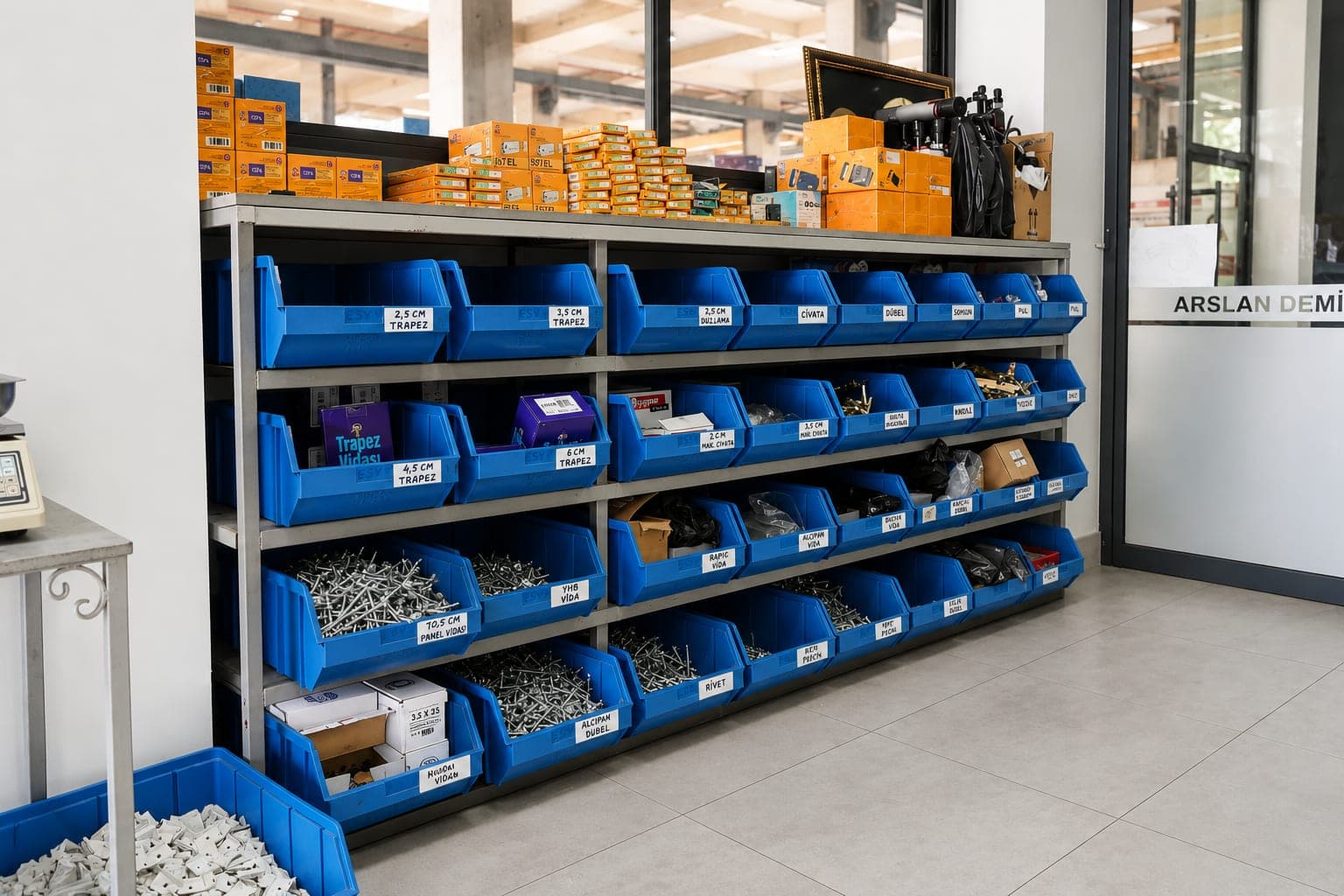
The part of a roofing or facade job that nobody notices but that matters most is the fasteners. Even with the right material, assembling it with the wrong screw or anchor causes leaks or loosening within a few years.
Roofing and panel screws
Self-drilling screws used for trapezoidal sheet and sandwich panels have a drill-tip form that bites straight into the steel frame without a pre-drilled hole. Diameter and length depend on the thickness of the frame; the washer (EPDM seal) is what keeps water out, and it needs to be a grade that won't harden and crack over time.
Bolts, nuts, washers
Galvanized bolt-and-nut sets are the standard for steel structure assembly; near the coast, choosing stainless steel (grade A2 or A4) extends the service life further. Washers spread the load over a wider area and shouldn't be skipped, especially on facade panels exposed to wind load.
Anchors and rivets: for fixing into concrete or masonry, plastic and steel anchors are chosen according to the surface type and the load they'll carry. Thin sheet-to-sheet joints use rivets — on aluminum surfaces specifically, aluminum rivets should be used to avoid galvanic corrosion.
Why the right choice matters
Tell us the material and thickness in your project and we can tell you directly at the counter which fastener you need.