IPE, HEA, HEB, UPN, INP: which is a beam, which is a column?
The letters on hot-rolled sections are not arbitrary; each means a different profile and a different job.
Arslan Demir
If the drawing says "IPE 240", putting an "HEA 240" in its place is not the same thing, even though both are 240 mm deep. The letters describe the shape of the section; the number is its depth in millimetres.
IPE — narrow-flange I section
Narrow flanges, deep web. Because it resists bending most efficiently for its weight, it is used as a **beam**. The first choice for floor and roof beams.
HEA and HEB — wide-flange I sections
Wide flanges, with depth and width close to each other. That shape resists buckling in both directions, which is why it is preferred as a **column**.
The difference between them is thickness: at the same depth, HEB has a thicker web and flange than HEA, so it carries more and weighs more. Where the load is modest HEA is enough; where the calculation says HEB, HEA will not do.
UPN — channel section
A hot-rolled U section. It serves as a beam, but is most often used for frame edges, channels, stair stringers, and paired back-to-back to form a box section.
INP — the older I section
The tapered-flange I section that preceded IPE. Most new projects specify IPE today; INP is mainly asked for in repair and strengthening work, where it must match an existing section.
Angle, flat and square bar
Angle (L section) comes in equal and unequal legs; it is a connection, support and strengthening member. Flat bar is a plain strip used for gussets and connection pieces. Square bar is the material of railings and wrought iron work.
The number in a section name is its depth, not its capacity. IPE 240 and HEA 240 are the same depth and belong to different jobs.
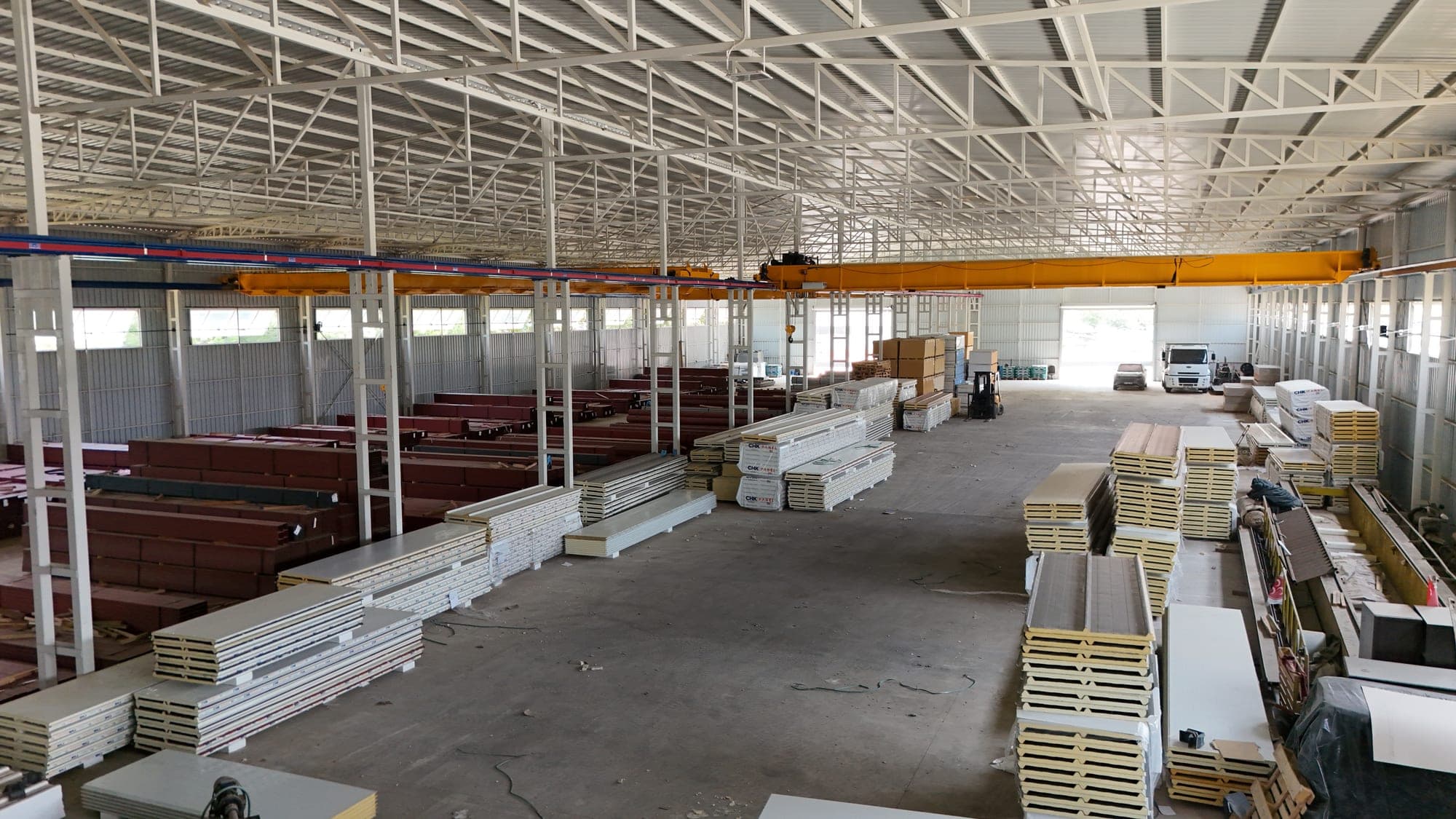
Common sizes across all five families are held at our Alanya warehouse and cut to length. Just send us the section schedule from the drawing.