DKP, galvanised, chequered sheet: the differences and where they go
Three sheets, three surfaces, three jobs. Which takes paint, which survives outdoors, which stops you slipping.
Arslan Demir
Choosing sheet usually starts with thickness, but thickness is half the story. How the surface was made decides where the sheet can sit and what can be done to it.
Cold rolled sheet
Cold rolling leaves a smooth, clean surface. This is the sheet that takes paint and forming best: it bends, it presses, and it finishes evenly when painted. Bare, however, it rusts; it belongs in enclosed spaces or in work that will be painted.
Galvanised sheet
Its zinc coating resists rust outdoors and in damp spaces, to EN 10346. This is the sheet of roofing, cladding, ducting and ventilation work. The coating thins at a cut edge, so exposed edges need protecting.
In coastal districts such as Alanya, galvanised is the default for anything that will stay outside; cold rolled will not last even a few years there.
Chequered plate
The raised pattern stops you slipping. It is used on platforms, stair treads, ramps, trailer floors and any metal surface people walk on. The pattern also stiffens the sheet slightly.
Which, when
To be painted, enclosed, or formed: cold rolled. Outdoors or damp: galvanised. Walked on: chequered.
State the surface as well as the thickness; "3 mm sheet" points at three different products.
Cutting
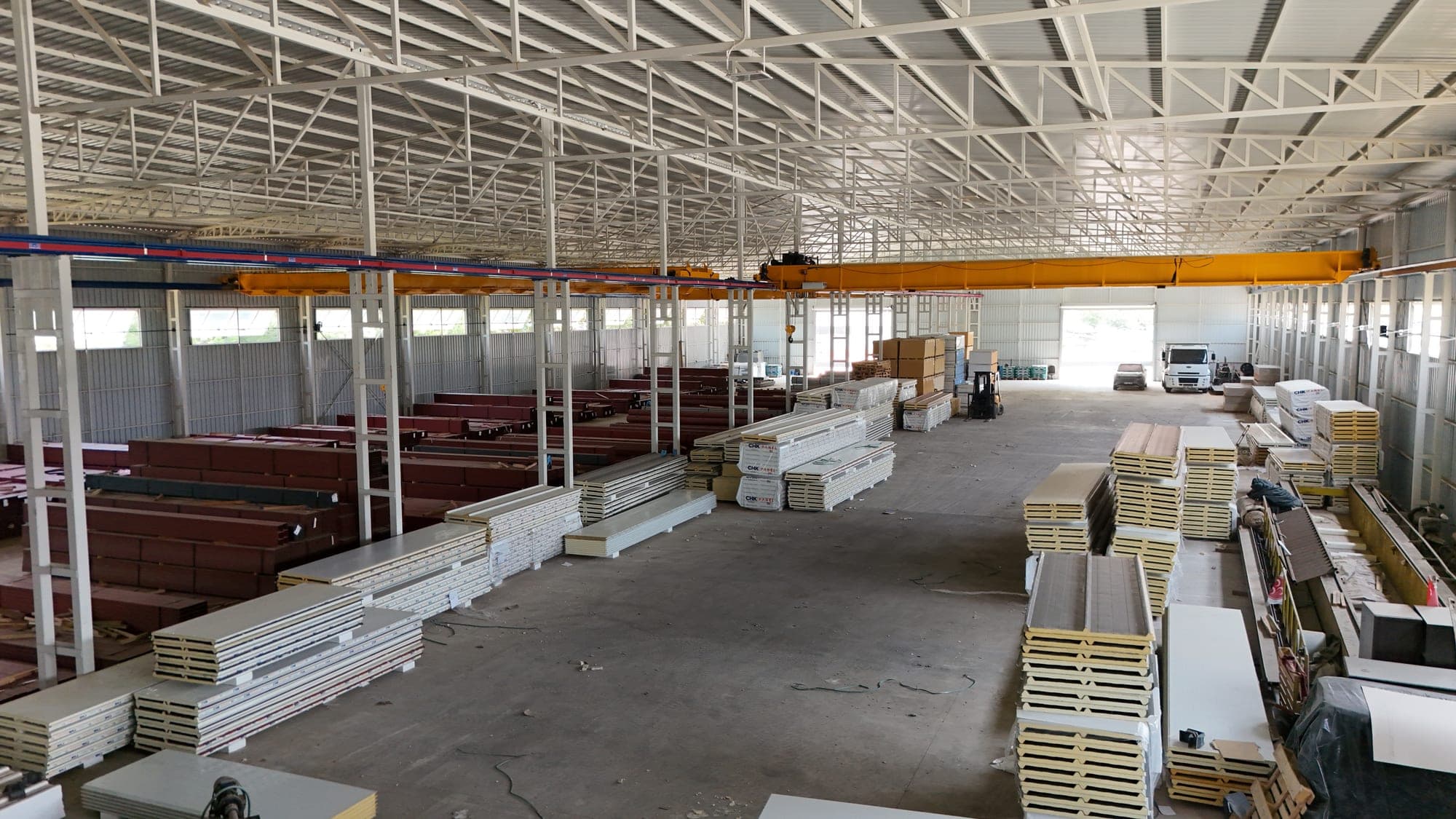
Sheet is usually needed cut to size rather than as full plates. Send the cutting list and it is done at the warehouse, which reduces offcuts and labour on site.
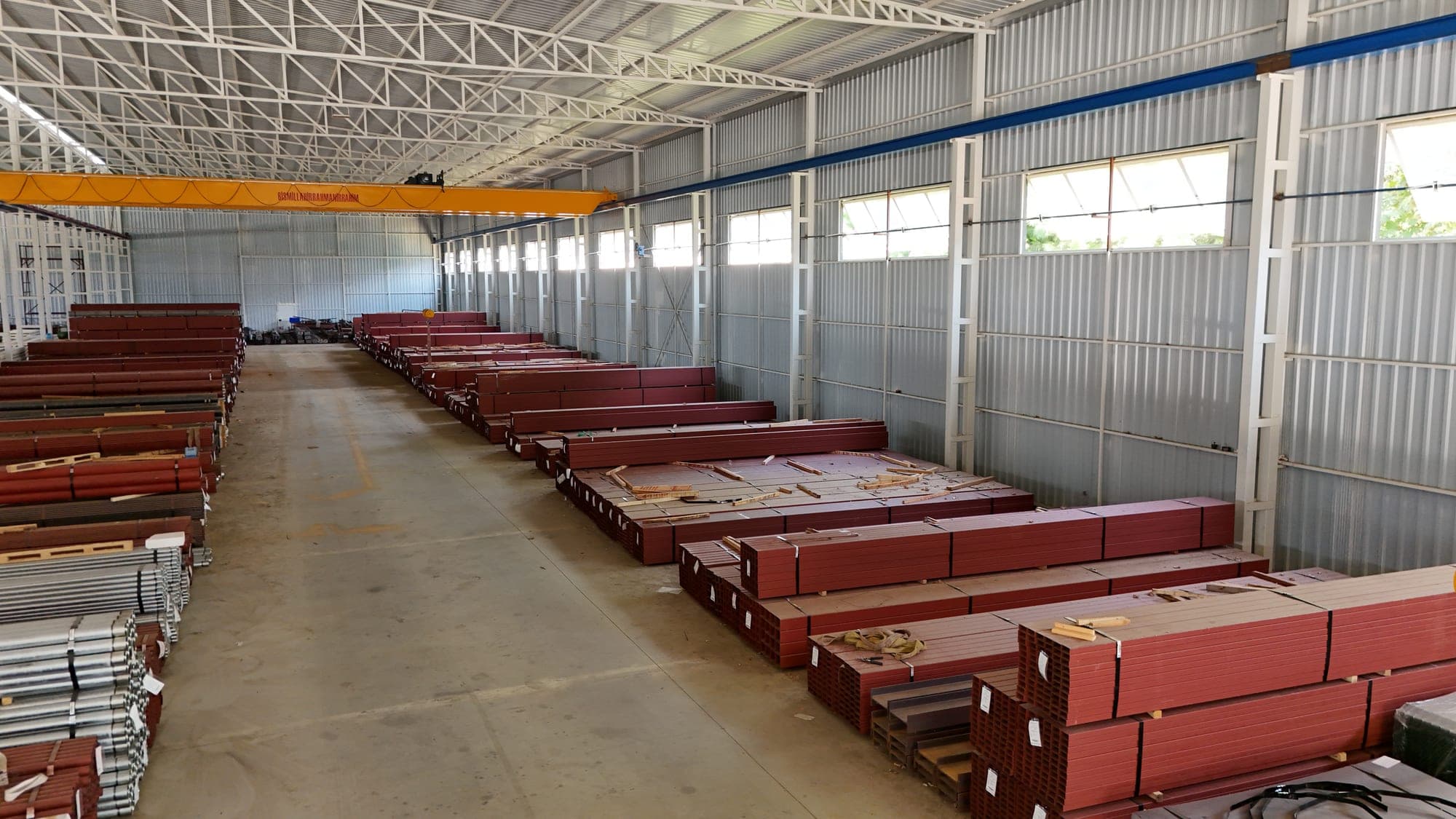
All three are held at our Alanya warehouse. Send thickness, size and quantity and we can confirm stock the same day.